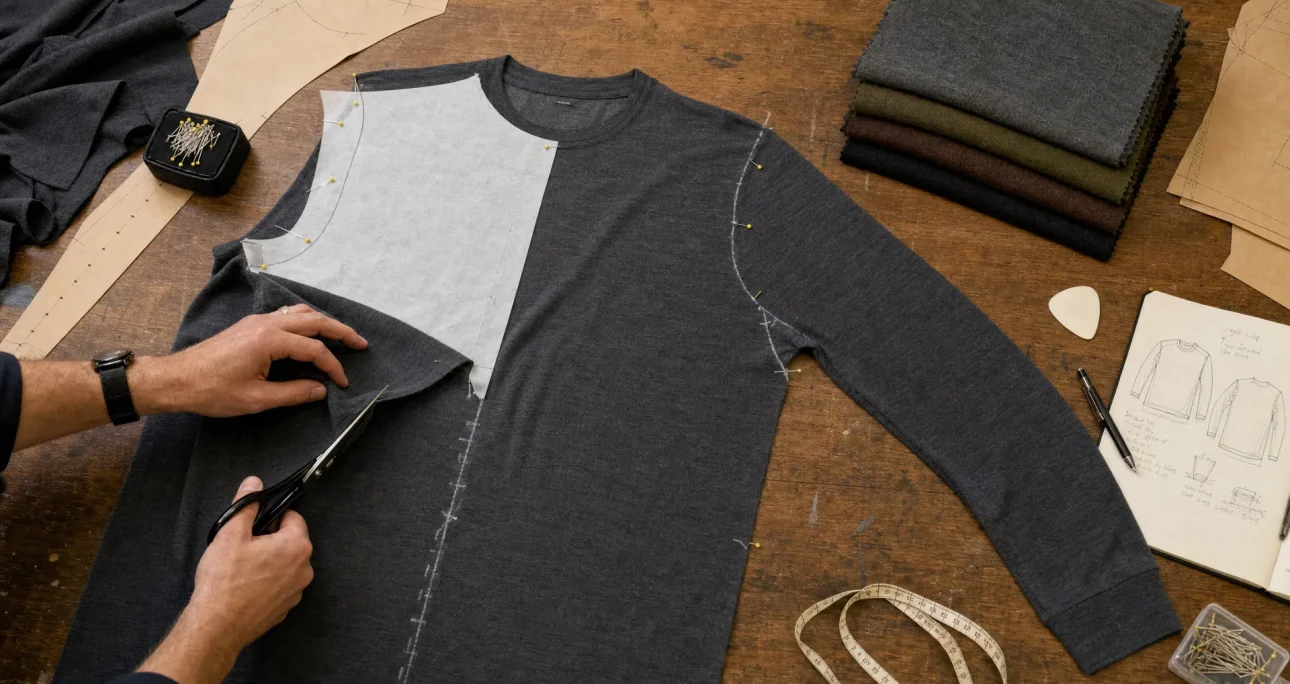
A merino long-sleeve shirt looks simple on the rack, but for a performance apparel brand it is one of the most technical garments in the line. It has to sit close enough to manage moisture, move easily under outer layers, resist odor during repeated wear and still feel soft after laundering.
That balance comes from more than choosing merino wool. The final garment depends on fiber quality, yarn type, knit construction, fabric weight, pattern shape, seam placement and finishing. For brands developing a merino wool long sleeve shirt for outdoor, travel, training or everyday layering, those decisions should be made together from the start.
Why merino works so well in a long-sleeve layer
Merino is popular in layering systems because it handles changing conditions well. The fiber can absorb and release moisture vapor, which helps the wearer feel more comfortable as activity level and temperature change. The Woolmark Company also highlights wool's natural breathability, temperature regulation and odor resistance as core performance characteristics.
Long sleeves make those benefits more useful because the garment covers more skin than a short-sleeve tee. In cold weather, that coverage helps reduce exposed areas under a jacket. In shoulder seasons, a light merino long sleeve can work as a standalone top during a hike, run or commute. For travel, it gives customers a piece they can wear multiple times between washes, provided the garment is designed and cared for properly.
The key is matching the shirt to the intended use. A featherweight base layer for high-output movement should not be built the same way as a relaxed long-sleeve travel tee or a warmer shirt for winter layering.
Start with the use case, then choose the fabric weight
Fabric weight, usually measured in grams per square meter, shapes warmth, drape, opacity, durability and drying behavior. Lighter fabrics breathe well and pack small, but they can be more delicate. Heavier fabrics add warmth and durability, yet may feel too warm during aerobic activity.
For brands, the right gsm is not a generic number. It should reflect the activity, climate, fit and retail positioning of the product.
| Fabric weight | Best use case | Typical performance goal | Development notes |
|---|---|---|---|
| 140 to 160 gsm | Ultralight base layers, running, warm-weather travel | Breathability and low bulk | Requires careful testing for sheerness, seam strength and durability |
| 160 to 190 gsm | All-season layering, hiking, everyday wear | Balanced comfort, coverage and versatility | Often a strong starting point for a first merino long-sleeve program |
| 190 to 220 gsm | Cooler-weather base layers, travel tops, casual performance | More warmth and structure | Works well when the shirt may be worn alone |
| 220 to 260 gsm | Cold-weather layering, heavier lifestyle tops | Warmth, opacity and durability | Can feel less suitable for high-sweat activities unless the fit and knit are tuned |
A 160 to 190 gsm jersey can be an efficient starting point for an all-season merino long-sleeve shirt. It is light enough to layer under a fleece or shell, but substantial enough for everyday wear if opacity and recovery are well managed.
If the shirt is part of a deeper base layer collection, it helps to compare long-sleeve design decisions with broader layering principles. Arcus has covered those fundamentals in its merino base layer guide for fit, weight and warmth, which is useful when building a full cold-weather range rather than a single top.
Micron count, hand feel and next-to-skin comfort
Micron count refers to the diameter of the wool fiber. Lower micron merino generally feels softer against the skin, which matters for a long-sleeve shirt because the fabric sits against the arms, torso and neckline for long periods.
For next-to-skin products, many brands look at fine or superfine merino ranges, often around 17.5 to 19.5 microns. Coarser fibers can still be useful in heavier outer-facing garments, but they may not deliver the softness customers expect from a premium base layer or travel shirt.
Micron count is not the only factor. Yarn twist, knitting tension, finishing, fabric wash and blend composition all affect hand feel. A technically fine fiber can still feel harsh if the fabric is over-twisted or poorly finished. Likewise, a well-developed blend can feel smooth, stable and premium if the yarn and fabric development are aligned with the garment's purpose.
100 percent merino or a blend?
A pure merino long-sleeve shirt can appeal to customers who want natural fiber content, odor resistance and a premium hand. It may be a strong choice for travel, lifestyle and outdoor brands with a natural performance story.
Blends can improve specific performance targets. Nylon may support abrasion resistance and durability. Polyester can improve drying speed and help manage cost, depending on yarn structure. Elastane adds stretch and recovery, which is especially useful in fitted base layers, thumbhole cuffs and athletic silhouettes.
The tradeoff is brand positioning. A 100 percent merino label reads differently than a merino-nylon or merino-polyester blend. Neither is automatically better. The right choice depends on whether the customer values natural fiber content above all else or expects extra durability, stretch and shape retention.
For a more detailed comparison of short-sleeve fabric decisions that also apply to long sleeves, Arcus explains weight, fit and performance considerations in its guide to merino wool T-shirts.
Fit: close enough to perform, comfortable enough to wear
The fit of a merino long-sleeve shirt should support layering without making the wearer feel restricted. A base layer usually needs a closer fit so the fabric can manage moisture near the skin. A travel or lifestyle long sleeve may have a more relaxed shape, especially through the body and upper arm.
Important fit zones include the shoulder, underarm, bicep, cuff, waist and back length. If the armhole is too low, the shirt can pull when worn under a jacket. If the sleeve is too narrow, it may feel uncomfortable over the forearm or bunch under a midlayer. If the body is too loose, the shirt may trap cold air when used as a true base layer.
Pattern development should also account for fabric growth and recovery. Merino knits can relax during cutting, sewing, washing and wear. That means sample measurements should be reviewed after wash testing, not only when the garment is fresh off the sewing line.
Construction details that improve performance
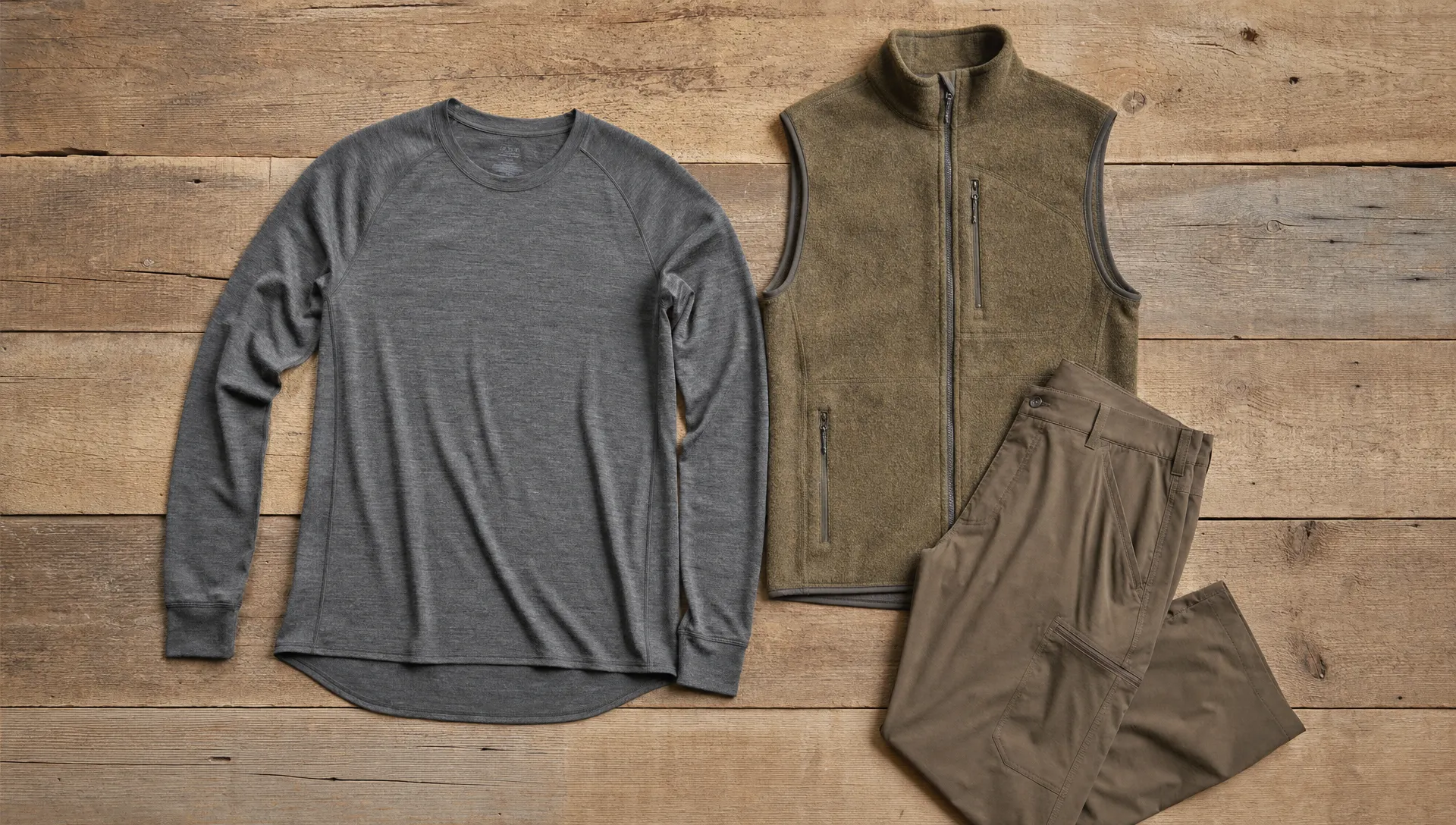
Small construction choices often decide whether a merino long-sleeve shirt feels premium or frustrating. The customer may not know the technical language, but they notice scratchy seams, twisting side seams, cuffs that stretch out or a neckline that loses shape.
| Detail | Why it matters | Common approach |
|---|---|---|
| Seams | Reduces friction under packs and outer layers | Flatlock, low-profile overlock or carefully placed coverstitch |
| Shoulder construction | Affects comfort under backpacks and jackets | Raglan sleeves, shifted shoulder seams or clean set-in sleeves depending on style |
| Cuffs | Controls sleeve position and recovery | Self-fabric cuffs, bound cuffs or stretch-enhanced cuffs |
| Hem shape | Improves coverage during movement | Straight hem for lifestyle, drop tail for outdoor and training use |
| Neckline | Impacts warmth, styling and comfort | Crew neck, mock neck, quarter zip or low-profile collar |
| Labels | Prevents irritation at the neck | Heat transfer, tearaway label or external branding placement |
For active use, seam placement is especially important. A shoulder seam directly under a backpack strap can create irritation on long hikes. A bulky side seam can rub under a climbing harness or waist belt. A raised neck seam can feel scratchy during cold-weather layering when the wearer has fewer opportunities to adjust the garment.
For lifestyle use, the priorities shift slightly. The shirt still needs recovery and comfort, but drape, neckline shape, sleeve proportion and styling details may matter more than extreme abrasion resistance.
Long sleeves need their own design logic
It is tempting to treat a merino long sleeve as a T-shirt with longer arms. That shortcut often creates problems. Sleeves change the way the garment layers, moves and washes.
A performance long sleeve should be checked in reaching positions, not just standing posture. The wearer may be cycling, skiing, climbing, lifting luggage or reaching for trekking poles. If the sleeve pitch is wrong, the hem rides up or the underarm pulls.
Thumbholes can add value in cold-weather base layers, but they require careful pattern work. The sleeve must be long enough to reach the hand without dragging when the thumbhole is not used. The cuff opening needs recovery so it does not distort after repeated wear. If elastane is included, wash and heat sensitivity must be considered during care testing.
Quarter zips and mock necks are also useful for layering, but they introduce extra development work. Zipper weight, tape softness, chin guard shape and collar height all affect comfort. A poorly chosen zipper can make an otherwise soft merino shirt feel stiff or bulky.
Color, graphics and decoration
Merino accepts color well, but the shade, dye process and finishing route need to match the fiber blend and end use. Dark colors can look premium and hide wear, while lighter colors may show transparency in low-gsm fabrics. Marl yarns and heather effects are common in performance collections because they add depth and make the garment feel less like a basic undershirt.
Branding should be tested for stretch, wash durability and hand feel. Heavy screen prints can reduce breathability and feel stiff on lightweight merino. Embroidery may distort fine knits if the backing and stitch density are not controlled.
Dye sublimation is usually more relevant for polyester-rich fabrics or synthetic panels than for 100 percent merino. If a collection includes mixed-material performance pieces, sublimation can be considered for compatible components, but merino-rich garments need their own decoration strategy.
Testing before production
Merino performance is only valuable if it survives real use. Before production, brands should test the fabric and garment through the conditions the customer will actually encounter.
Core testing areas include dimensional stability, spirality, pilling, abrasion, seam strength, colorfastness, stretch recovery and wash appearance. If the product carries performance claims, those claims should be supported by appropriate test methods and documented results.
Odor-related marketing should be handled with care. Merino is widely valued for odor resistance in repeated wear, but brands should avoid overpromising. Claims like odor-free or antibacterial may trigger testing or regulatory considerations depending on the market and wording.
Sourcing claims also need documentation. If animal welfare or responsible wool sourcing is part of the product story, certifications such as the Responsible Wool Standard from Textile Exchange can help provide a clearer framework for supply chain claims.
Building a merino long-sleeve shirt for a collection
A strong merino long-sleeve program starts with a clear product brief. The brief should define the customer, climate, activity level, target price, fiber preference, fit intent, care expectations and required tests. Without that direction, development can drift into a generic garment that performs acceptably but does not stand out.
For a 2026 collection, brands are often looking for versatility. A merino long sleeve that works for travel, commuting, hiking and daily wear can have a longer selling season than a narrowly defined cold-weather layer. That makes the garment a useful anchor product, especially for small batch launches where every SKU needs to earn its place.
If the shirt is part of an activewear line, it should be developed alongside movement patterns and sweat management expectations. Arcus covers those design considerations in more depth in its article on merino wool activewear design tips.
The best results come from aligning design, sourcing and production early. Fabric availability may affect minimums, color options and lead times. Pattern choices influence sewing methods and costs. Testing can reveal shrinkage or recovery issues that require revisions before bulk production. Treating these decisions as connected helps reduce surprises later.
Frequently Asked Questions
What is the best weight for a merino wool long sleeve shirt? For an all-season layering shirt, many brands start around 160 to 190 gsm. Lighter weights work well for high-output activity and warm-weather travel, while heavier weights are better for cold-weather layering and standalone wear.
Is 100 percent merino better than a merino blend? 100 percent merino offers a strong natural fiber story and excellent comfort, but blends can improve durability, stretch, drying speed and recovery. The better choice depends on the garment's use case and customer expectations.
Should a merino long-sleeve shirt fit tight or relaxed? A true base layer should fit close to the body without restricting movement. A travel or lifestyle long sleeve can be more relaxed, but it should still layer cleanly under jackets and midlayers.
Can merino long sleeves be used for workouts? Yes, merino can work well for training, hiking, running and other active uses when the fabric weight, blend, fit and seam construction are designed for movement and moisture management.
What should brands test before producing merino long-sleeve shirts? Brands should test shrinkage, pilling, colorfastness, seam strength, stretch recovery, abrasion and wash appearance. If making performance or sourcing claims, those claims should be supported with suitable documentation.
Develop your merino long-sleeve program with Arcus
A high-performing merino long-sleeve shirt depends on disciplined development from fabric selection through production. Arcus Apparel Group supports brands with custom apparel development, material sourcing, pattern development, small batch manufacturing, in-house production management and quality control at every stage.
If you are building a merino layering piece for outdoor, travel, activewear or everyday performance, Arcus Apparel Group can help turn the concept into a production-ready garment with the right fit, fabric and construction strategy.



