Activewear has spent decades being defined by synthetics: polyester jerseys, nylon blends, spandex compression and engineered finishes. Those fabrics still have a place, especially where stretch, abrasion resistance or ultra-fast drying matter. But a growing number of apparel brands are looking at merino activewear because it offers something synthetic fabrics struggle to copy naturally: comfort across changing conditions.
For founders, designers and product developers, merino is not just a premium story. It can shape how a garment feels during a workout, how often a customer wants to wear it, how it smells after use and how it performs outside the gym. In a market crowded with similar-looking technical apparel, the fabric choice can become the product strategy.
What Makes Merino Activewear Different?
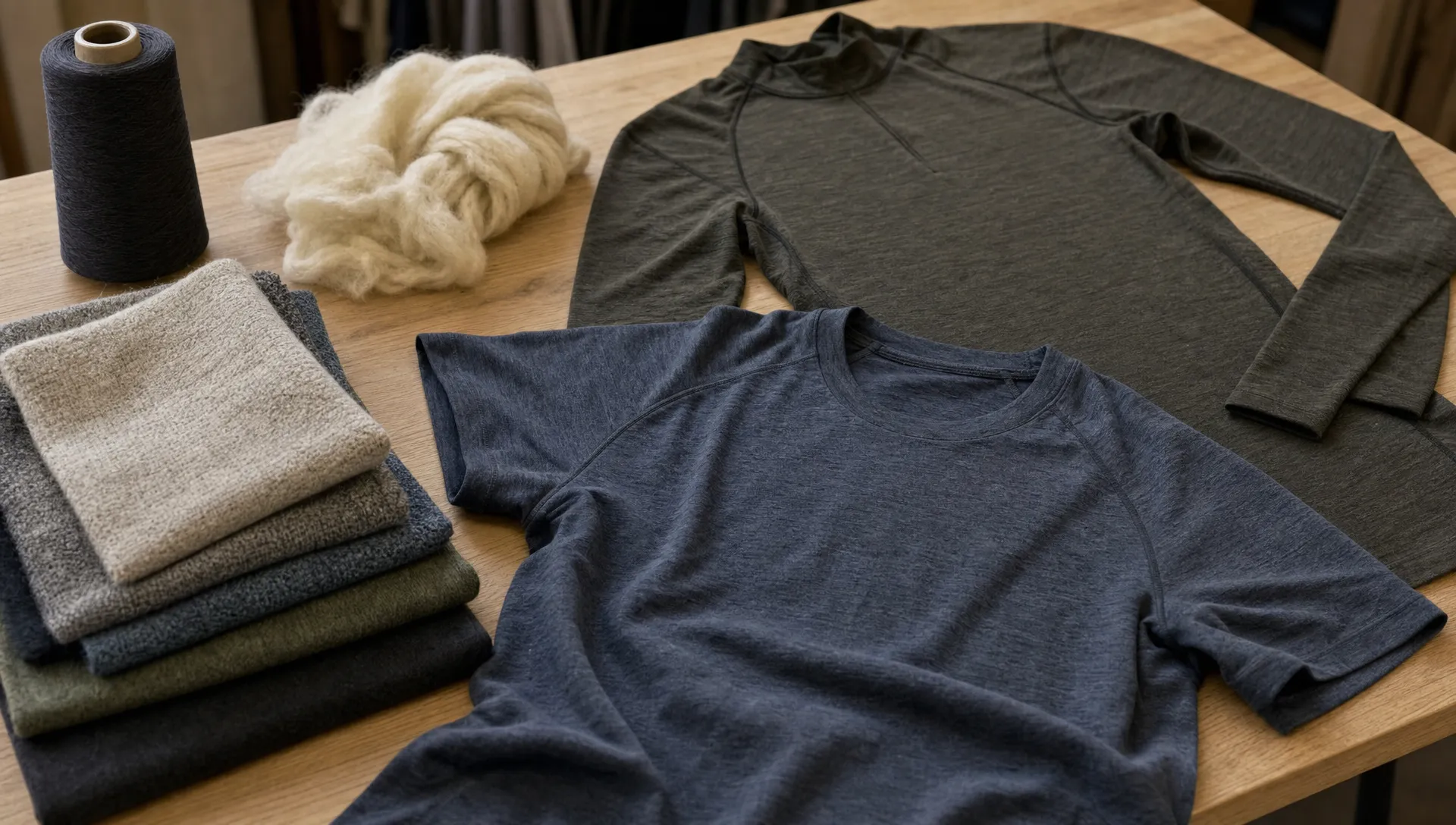
Merino wool comes from Merino sheep, known for producing much finer fibers than traditional coarse wool. That fineness matters. The smaller the fiber diameter, usually measured in microns, the softer the fabric can feel against the skin. This is why merino can be used in next-to-skin activewear, from T-shirts and base layers to undergarments, socks and lightweight training tops.
Unlike many performance fabrics that depend heavily on chemical finishes, merino has performance characteristics built into the fiber. Its natural crimp helps trap air, its fiber structure can absorb moisture vapor and its surface interacts differently with odor molecules than smooth synthetic filaments. If you want a deeper primer on the fiber itself, Arcus has a helpful guide on what merino wool is and why it is popular in apparel.
The key point for activewear brands is simple: merino does not need to imitate synthetics to be valuable. Its strength is a different kind of performance, one built around comfort, wearability and versatility.
Why Natural Performance Fabrics Matter Now
Consumers are more educated about fabrics than they used to be. They read care labels, compare fiber content and notice when a shirt feels clammy after ten minutes of movement. They also expect activewear to do more than serve a single workout. A garment may need to handle a morning run, a commute, a desk, a flight and a weekend hike.
Natural performance fabrics matter because they can make apparel more adaptable. Merino activewear is especially strong in this role because it performs well across varied temperatures and activity levels. A lightweight merino tee can feel comfortable during low to moderate exertion, then remain wearable after the workout because it manages odor and moisture differently than many synthetics.
This does not mean every activewear piece should be merino. It means brands should think beyond the old binary of cotton for comfort and synthetics for performance. Merino sits in a valuable middle ground: natural, technical and premium without feeling overly specialized.
Merino vs. Common Activewear Fabrics
No fiber is perfect. The strongest product lines usually come from matching the fabric to the activity, customer expectation and price point. The table below gives a practical comparison for brand teams evaluating merino activewear.
| Fabric type | Strengths in activewear | Common limitations | Best use cases |
|---|---|---|---|
| Merino wool | Temperature regulation, odor resistance, soft hand, moisture buffering | Higher raw material cost, needs careful shrinkage and pilling control | Base layers, training tees, hiking apparel, travel activewear, socks |
| Polyester | Fast drying, durable, scalable, cost efficient | Can retain odor, may feel clammy without good construction or finishes | High-sweat training, teamwear, budget activewear, sublimated apparel |
| Nylon | Smooth hand, strength, abrasion resistance | Often needs elastane for stretch, can feel less natural against skin | Leggings, outer layers, high-abrasion zones, compression styles |
| Cotton | Familiar softness, breathability in casual wear | Absorbs water and dries slowly, can feel heavy when wet | Low-intensity lifestyle apparel, casual tees, studio coverups |
| Merino blends | Balance of natural comfort with added durability, stretch or faster drying | Requires careful blend selection and positioning | Everyday performance apparel, premium training tops, hybrid outdoor styles |
For many brands, the decision is not “merino or synthetic.” It is where merino belongs in the assortment and whether a 100 percent merino fabric or a blended construction will best serve the product.
The Performance Benefits That Matter Most
Comfort across changing temperatures
Merino’s temperature regulation is one of its most important advantages. The fiber can help insulate when conditions are cool and feel breathable when the wearer warms up. This makes it especially useful for stop-start activities, outdoor training and daily wear that moves between indoor and outdoor environments.
The Woolmark Company notes that wool fibers can absorb a significant amount of moisture vapor before feeling wet, which helps explain why wool can feel comfortable across a wider range of conditions than many people expect. In activewear, that moisture buffering can reduce the sudden clammy sensation customers often associate with damp fabric.
Odor resistance for repeat wear
Odor management is a major reason customers gravitate toward merino activewear. Synthetic activewear can be excellent at moving liquid sweat away from the body, but odor can linger in polyester garments after repeated use. Merino’s fiber structure helps reduce odor buildup, making it attractive for travel, hiking, commuting and multi-day use.
For brands, this is a strong value proposition because it connects directly to customer experience. A shirt that can be worn more than once between washes feels useful, premium and practical. It also gives marketing teams a performance benefit that customers can understand immediately.
Softness without the plastic feel
Many consumers want performance apparel that does not feel slick or overly synthetic. Fine merino can deliver a softer, more natural hand while still supporting active use. This matters in categories like training tops, base layers and athleisure pieces where comfort drives repeat purchase.
The challenge is selecting the right micron count, yarn, knit structure and finish. A poorly developed merino garment can still feel scratchy, stretch out or shrink. The fiber has strong potential, but execution determines whether customers experience it as premium.
Versatility beyond the workout
Merino activewear often fits a broader lifestyle than gym-only clothing. A merino tee can work for hiking, travel, layering or casual wear. A long sleeve can function as a cool-weather training layer and an everyday base layer. This versatility helps brands build products that earn a place in the customer’s weekly rotation rather than staying reserved for one narrow use.
That matters commercially. The more occasions a garment can serve, the easier it is for a customer to justify a higher price point.
Where Merino Activewear Works Best
Merino is strongest when the product brief values comfort, odor control and temperature balance as much as raw drying speed. It is especially well suited for performance categories where the wearer may be active for long periods, moving through changing conditions or wearing the garment repeatedly.
Good candidates include:
- Lightweight training T-shirts for low to moderate intensity workouts
- Outdoor base layers for hiking, skiing and cold-weather training
- Long-sleeve tops for layering, travel and shoulder-season use
- Socks, undergarments and next-to-skin essentials
- Hybrid athleisure pieces designed for movement and daily wear
For workout-specific positioning, Arcus covers the performance side in more detail in its article on what makes merino wool workout clothes perform. That piece is useful if you are narrowing the product brief around training use rather than broader lifestyle performance.
Natural Does Not Automatically Mean Better
Merino can be a strong performance fabric, but “natural” should never be used as a shortcut for quality. A natural fiber can still be poorly sourced, poorly constructed or poorly matched to the end use. For apparel brands, this is where product development discipline matters.
A merino activewear piece needs the right balance of fabric weight, stretch, recovery, seam placement, shrinkage control and care instructions. If a garment is too light for the activity, it may lack durability. If it is too heavy, it may feel warm or slow to dry. If the pattern does not account for the fabric’s behavior, the fit can distort after wear or washing.
Sustainability claims also need care. Merino is renewable because sheep grow new fleece, and wool is biodegradable under the right conditions. But responsible product claims should consider animal welfare, land management, dyeing, finishing, transportation, durability and garment care. The U.S. Federal Trade Commission’s Green Guides are a useful reference for brands that want environmental marketing claims to be clear and substantiated.
A better approach is to make specific, supportable claims: renewable fiber, naturally odor resistant, designed for repeat wear, tested for shrinkage or sourced through a defined wool standard when applicable. Precision builds more trust than broad sustainability language.
When Merino Blends Make Sense
A 100 percent merino garment can be compelling, especially for premium base layers, travel tees and soft next-to-skin pieces. But blends are often the better choice for activewear that needs added stretch, recovery or abrasion resistance.
A small amount of elastane can help a garment move with the body and retain shape. Nylon can improve durability in high-wear areas. Polyester can support faster drying or lower the overall material cost, depending on the construction. The right blend is not a compromise if it helps the garment perform better for its intended use.
The risk is using blends without a clear reason. If a brand markets a product as merino activewear, the customer should still feel the benefits of merino. The fiber content, hand feel and garment performance need to match the claim. Otherwise, the product can feel like a synthetic garment with a small amount of wool added for marketing.
Development Considerations for Apparel Brands
Merino activewear should be developed from the fabric outward. The design, pattern and construction need to support how the fabric behaves in real use. That means brands should define the activity profile before selecting the material.
A studio yoga top has different requirements than a trail running tee. A cold-weather base layer needs different fabric weight and recovery than a travel T-shirt. Even within the same category, a relaxed lifestyle fit and a close performance fit will stress the fabric differently.
| Development decision | Why it matters for merino activewear | What to evaluate |
|---|---|---|
| Fabric weight | Controls warmth, drape, opacity and drying feel | GSM, season, activity intensity, layering role |
| Micron count | Influences softness against skin | Target customer sensitivity, garment category, price point |
| Knit construction | Affects stretch, recovery, breathability and durability | Jersey, rib, interlock or engineered structures |
| Blend composition | Balances natural performance with strength or stretch | Merino percentage, elastane content, nylon reinforcement |
| Fit and pattern | Impacts comfort during movement and post-wash shape | Ease, sleeve mobility, body length, recovery after wear |
| Testing plan | Reduces returns and protects brand reputation | Shrinkage, pilling, colorfastness, seam strength, wear trials |
For a more technical look at these decisions, see Arcus’s guide to designing merino wool activewear for better performance. It goes deeper into fabric weight, fit, seams and testing choices.
How Merino Can Strengthen Brand Positioning
Merino activewear gives brands a way to move beyond generic “performance” language. Instead of relying only on claims like lightweight or breathable, a brand can build a more specific product story around natural comfort, repeat wear and versatility.
This is especially useful for premium and emerging brands. Many shoppers already own basic synthetic workout gear, so another polyester tee may not feel meaningfully different. A well-developed merino activewear piece gives the customer a reason to compare fabric, not just color, logo or price.
Merino can also support tighter assortments. A small collection of high-utility pieces, such as a tee, long sleeve, base layer and sock, can demonstrate the brand’s point of view without requiring a large initial line. For brands managing inventory carefully, that kind of focused launch can be more realistic than building a broad activewear range at once.
What to Watch Before Production
The most common merino development mistakes happen before bulk production. A fabric may feel excellent in a swatch but behave differently after sewing, dyeing, washing or repeated wear. Brands should not skip sample testing just because the fiber has a premium reputation.
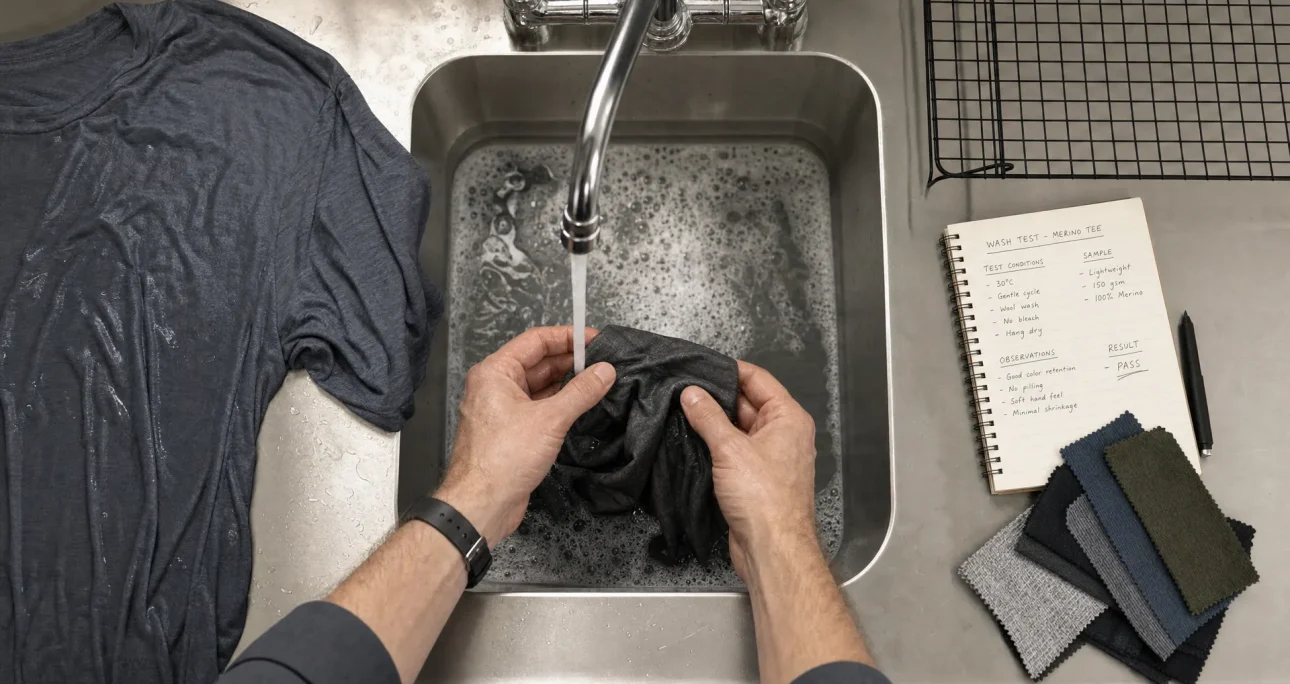
Before production, review the garment under realistic conditions: wash it several times, wear it during the intended activity, test recovery after stretching and check seams after movement. If the product is intended for travel or outdoor use, evaluate odor, drying feel and comfort over a longer wear window.
Quality control is especially important because merino customers often have higher expectations. If a garment is priced as premium, issues like twisting seams, unexpected shrinkage or early pilling can damage trust quickly.
Frequently Asked Questions
Is merino activewear good for intense workouts? Merino can work well for many workouts, especially low to moderate intensity training, outdoor activities and layering. For very high-sweat sessions, a merino blend may be better than 100 percent merino because it can improve drying speed, stretch or durability.
Does merino wool itch? Fine merino is much softer than traditional coarse wool and is commonly used in next-to-skin apparel. Comfort still depends on micron count, yarn quality, knit structure and finishing, so fabric selection is critical.
Is 100 percent merino better than a merino blend? Not always. A 100 percent merino garment offers a strong natural fiber story and excellent comfort, but blends can improve shape retention, stretch, abrasion resistance or drying performance. The best choice depends on the product’s end use.
Can merino activewear be used year-round? Yes, depending on fabric weight and construction. Lightweight merino can work for warm-weather travel and training, while heavier weights are better suited for cold-weather base layers and thermal performance.
What should brands test before producing merino activewear? Brands should test shrinkage, pilling, colorfastness, seam strength, fit after washing, stretch recovery and real wear performance. Wear trials are especially useful because merino’s benefits are most noticeable over time.
Build Better Merino Activewear With the Right Development Partner
Merino activewear succeeds when the fiber, fabric, fit and production plan are aligned from the start. The material has real advantages, but those advantages only reach the customer when development is handled carefully.
Arcus Apparel Group supports apparel brands with end-to-end development and manufacturing, including custom apparel development, material sourcing, pattern development, small batch manufacturing, low minimum order quantities and production management. If you are building a merino activewear line or exploring natural performance fabrics for a future collection, connect with Arcus Apparel Group to plan the next step from concept to production.



