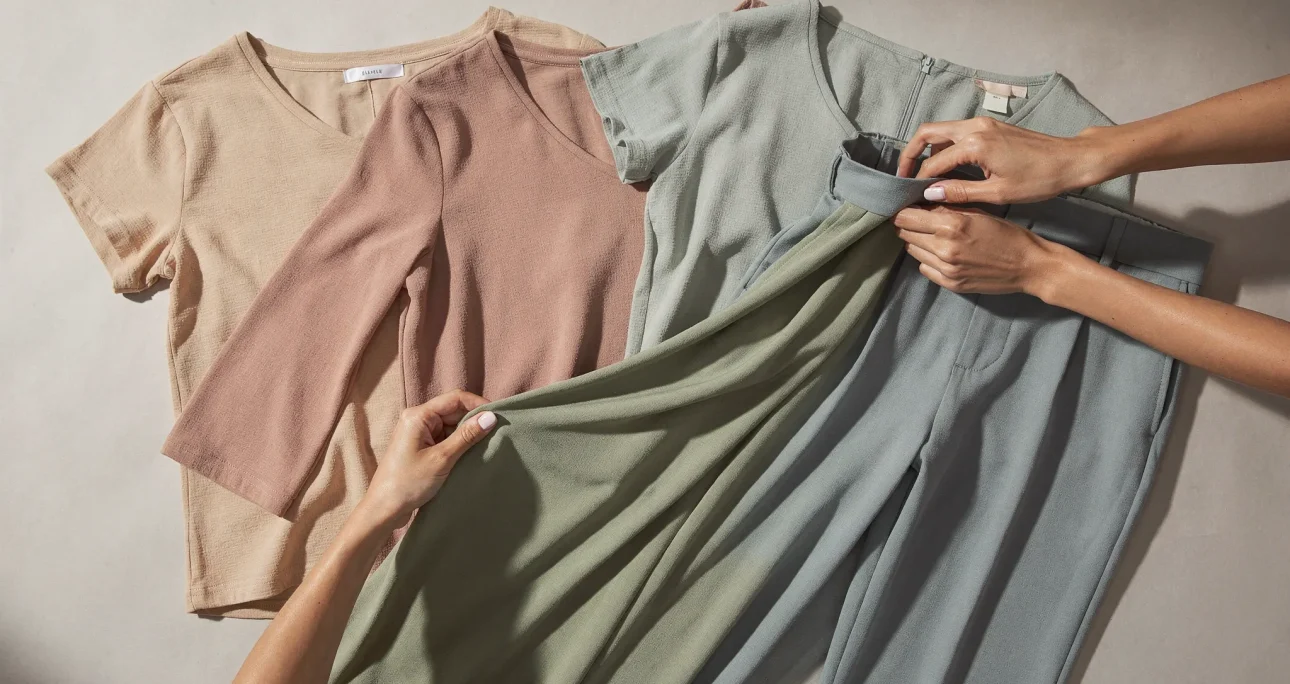
Viscose rayon is one of those fabrics people often describe as “silky,” but the real answer depends on how it’s made, how it’s knitted or woven, and what it’s blended with. If you’re deciding whether viscose rayon is right for a T-shirt, dress, lining, or loungewear set, it helps to break the feel down into specifics you can actually evaluate.
First, what is viscose rayon?
Viscose is a type of rayon, a semi-synthetic fiber made from regenerated cellulose (commonly wood pulp). Rayon is often grouped with “man-made cellulosics,” which generally behave more like natural fibers than petroleum-based synthetics in terms of breathability and handfeel.
If you’ve seen “rayon,” “viscose,” or “viscose rayon” on a label, you’re usually looking at a fabric chosen for softness, drape, and a cool hand.
For a straightforward definition of rayon and its origins, see Britannica’s overview of rayon.
What does viscose rayon feel like on skin?
On skin, viscose rayon typically feels:
Smooth and soft (often “silk-adjacent”)
Viscose is usually smooth to the touch, especially in lighter-weight weaves and jersey knits. Many people experience it as softer than average cotton, and closer to silk in surface feel, but without the same natural “slip” silk can have.
What to expect:
- A soft, gentle hand with low “scratch factor” when quality is good
- A surface that can feel slightly cool and sleek, rather than fluffy
Cool to the touch and breathable (but not identical to cotton)
Viscose rayon often feels cooler on first contact than cotton, particularly in woven viscose challis, crepe, or satin weaves.
It tends to be comfortable in warm weather because it doesn’t feel plasticky like many synthetics. That said, the experience can vary with fabric construction:
- Woven viscose (like challis or crepe) often feels airy and cool
- Viscose jersey (common in tees and dresses) can feel cool at first, then warmer as it drapes close to the body
Drapey and fluid (it “hangs” more than it “holds”)
One of the most recognizable tactile traits is drape. Viscose rayon generally falls in soft folds rather than holding a crisp shape.
On the body, that can feel:
- Lightweight and flowy
- Less structured
- Comfortable for movement
This is why viscose is common in wrap dresses, wide-leg pants, blouses, and linings.
Sometimes slightly “clingy,” especially in humid conditions
Viscose rayon can sometimes cling to skin, particularly when:
- The fabric is very lightweight
- It’s a tight-knit jersey
- There is humidity, sweat, or static in the environment
Cling is not always a dealbreaker, but it’s something designers should test early, especially for summer silhouettes.
Not naturally stretchy (unless it’s knitted or blended)
Rayon fibers themselves do not behave like elastane. Stretch mostly comes from:
- Knit construction (jersey stretches because of the knit loop structure)
- Blends (rayon spandex, rayon elastane)
So a woven viscose dress will feel very different from a viscose-spandex rib knit top.
Why viscose rayon can feel different from one garment to another
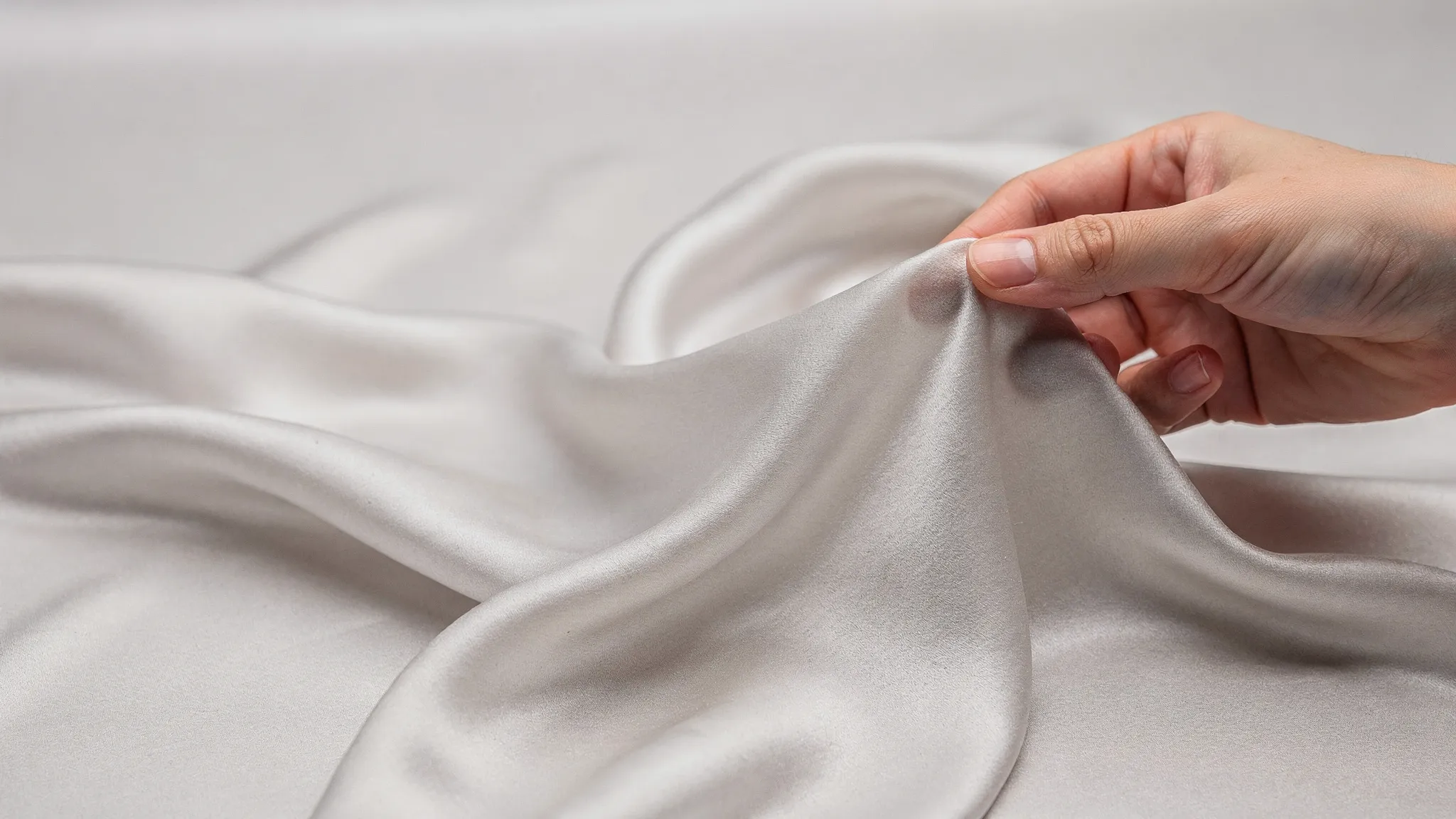
If you’ve worn one rayon piece that felt amazing and another that felt cheap or irritating, it usually comes down to these variables.
1) Fabric construction (knit vs woven)
Construction changes skin feel as much as fiber content.
- Viscose jersey: soft, flexible, often slightly clingy, great for tees and dresses
- Viscose twill: smoother and more substantial, less cling, better for pants and skirts
- Viscose challis: very light and airy, can feel delicate
- Viscose crepe: often has a pebbly texture, can feel less “silky” but still soft
2) Yarn quality and finishing
Higher-quality viscose yarns and better finishing can reduce fuzziness, unevenness, and irritation.
Finishes that can change feel include:
- Softening finishes (adds a buttery hand)
- Sandwashing or sueding (adds a peach-skin feel)
- Brushing (can add softness but also increase pilling risk)
3) Blends (rayon with cotton, polyester, nylon, spandex)
Blends can dramatically change how viscose rayon feels.
- Rayon cotton: often feels more matte and stable, less slippery, more casual
- Rayon polyester: can feel smoother and more wrinkle-resistant, but sometimes less breathable
- Rayon spandex: softer and more body-hugging, usually better recovery and comfort for fitted styles
4) Fabric weight (GSM) and opacity
Very lightweight viscose may feel cool and airy, but can also feel delicate, clingy, or more revealing. Medium weights feel more substantial, typically less cling, and often more premium.
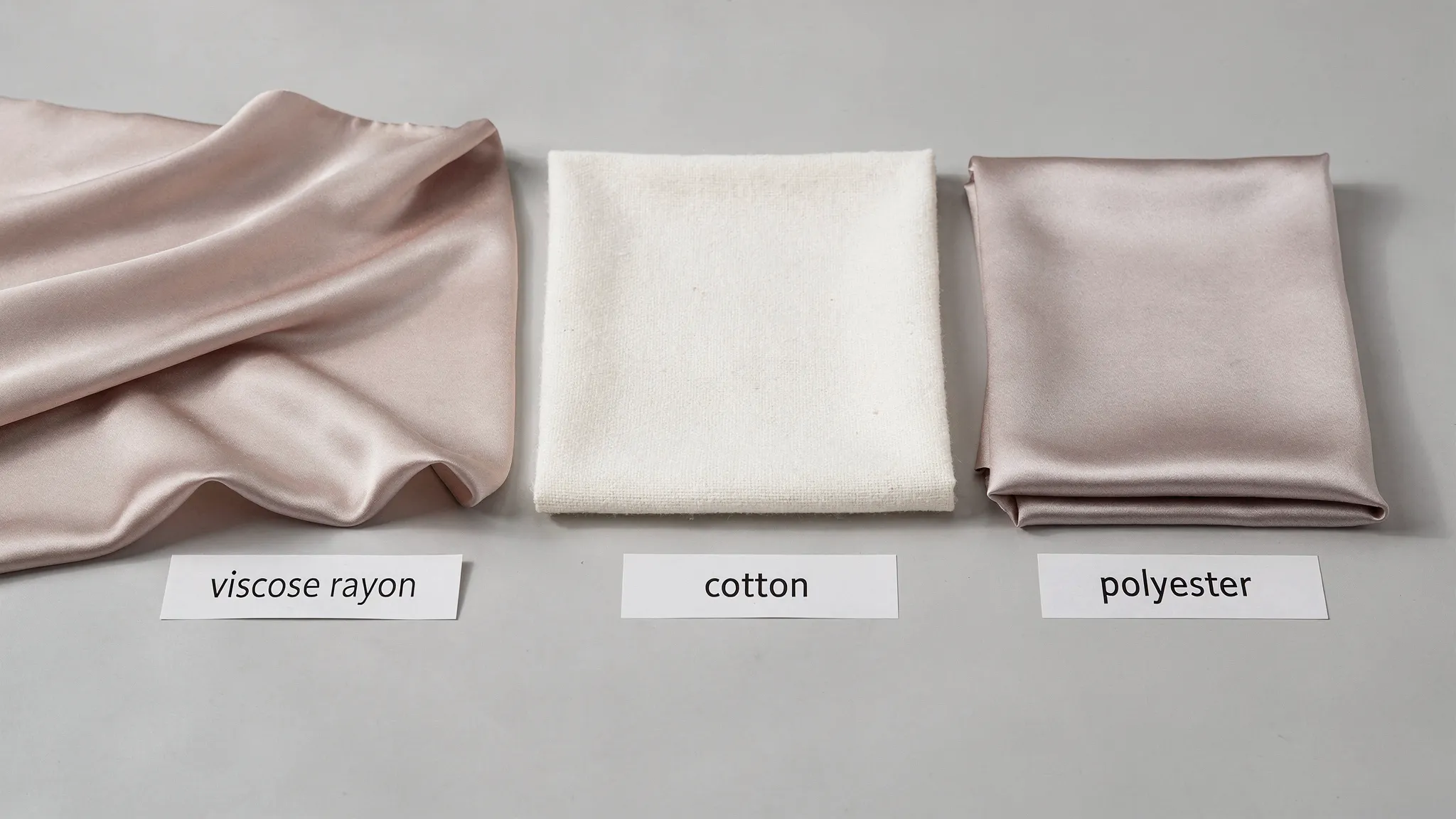
How viscose rayon compares to other common fabrics (feel-focused)
Use this as a quick reference if you’re choosing fabrics for comfort and handfeel.
| Fabric | Typical feel on skin | Drape | Common comfort notes |
|---|---|---|---|
| Viscose rayon | Smooth, soft, cool touch | High, fluid | Can cling, can feel delicate, quality varies |
| Cotton (combed jersey) | Soft, familiar, slightly dry hand | Medium | Breathable, less cling, can feel heavier |
| Polyester | Slick or slightly rough depending on yarn | Medium to low | Can feel warmer, sometimes “plastic” feel |
| Silk | Very smooth, high slip | High | Luxurious, can feel cool, requires delicate care |
| Modal (rayon type) | Very soft, often “buttery” | High | Often more consistent softness, popular in underwear and tees |
| Lyocell (TENCEL type) | Smooth, cool, refined | High | Often praised for comfort and moisture management |
If you want a deeper breakdown of a “next to viscose” alternative, Arcus also covers modal in detail here: What Type Of Fabric Is Modal?
Is viscose rayon good for sensitive skin?
Often yes, but it depends.
Viscose rayon is usually comfortable for most people, especially when the fabric is well-made and not overly textured. Still, sensitivity can be influenced by:
- Dyes and finishes: Some people react more to finishing chemistry than to the fiber itself.
- Fabric texture: Crepes, slubs, or heavily textured weaves can feel irritating.
- Seams and trims: Stitch choice, thread, labels, and elastics frequently cause more irritation than the main fabric.
If you are designing for sensitive skin (or building a comfort-focused brand), request lab dips and wear-test samples, then evaluate:
- Handfeel before and after washing
- Any prickliness after sweating
- Pilling and surface roughening over time
Does viscose rayon feel hot or sweaty?
Most people do not describe viscose rayon as “hot” in the way they might describe some synthetics. In many constructions, it feels breathable and comfortable.
However, viscose rayon can feel sweaty when:
- The garment is very tight (limited airflow)
- The fabric is very lightweight and clings
- The blend includes a high percentage of polyester
In product development, the best approach is to choose viscose constructions that match the use-case. A loose woven viscose blouse and a fitted viscose-poly bodycon dress will not wear the same.
How does viscose rayon feel after washing?
After washing, viscose rayon may feel:
- Slightly softer (if the fabric relaxes)
- Slightly rougher (if fibers fibrillate or the surface pills)
- Less smooth if it is overheated in the dryer
Viscose is known for being more sensitive to washing conditions than many consumers expect. For comfort-focused garments, it’s smart to test care outcomes during sampling, including multiple wash cycles.
Practical development note: if your customer expects easy-care, you may want to explore blends, tighter constructions, or alternative rayons (like modal or lyocell) depending on the product.
Where viscose rayon feels best (and where it can disappoint)
Here’s a quick guide for matching viscose rayon’s feel to the right category.
| Product type | When viscose rayon feels great | When it can disappoint |
|---|---|---|
| Dresses and skirts | Fluid drape, soft movement, comfortable in heat | Cling in humidity, wrinkling, delicate feel in very light weights |
| Blouses and shirts | Airy, smooth, elevated look | Sheerness in light colors, texture changes after washing |
| Linings | Smooth against skin, reduces friction | If low quality, can pill or feel staticky |
| Loungewear | Soft and comfy in rayon spandex knits | Can bag out if recovery is poor, can pill if brushed |
| Underwear base layers | Soft, body-friendly in modal-like constructions | If not designed well, moisture and cling can feel uncomfortable |
How to specify viscose rayon so it feels premium (for brand owners)
If you’re developing products and want viscose rayon to feel as good as shoppers expect, focus on specs you can control and test.
Choose the right construction for the silhouette
A common sampling mistake is choosing viscose jersey for a style that needs structure, or choosing an ultra-light woven for a garment that needs opacity. Your fabric choice should match fit, airflow, and end-use.
Ask for (and compare) multiple handfeels early
When sourcing, request more than one option so you can compare handfeel side by side. Two viscose fabrics can share the same fiber content and still feel completely different.
Test for pilling and surface change
Some viscose fabrics feel incredible out of the box but degrade after a few washes. Wash testing during development helps prevent a comfort problem from becoming a returns problem.
Consider blends strategically
If you need more stability or easier care, blends may help, but they also change the feel.
For example:
- Rayon spandex often improves comfort for fitted items
- Rayon polyester can improve durability and reduce wrinkling, but may reduce breathability
Frequently Asked Questions
What does viscose rayon feel like compared to cotton? Viscose rayon usually feels smoother and cooler with more drape. Cotton often feels more matte and structured, with less cling.
Does viscose rayon feel like silk? It can feel silk-like in smooth weaves because it’s soft and fluid, but it typically has less natural slip than silk and may cling more in humidity.
Is viscose rayon itchy? Most viscose rayon is not itchy, but lower-quality fabrics, textured weaves, or certain finishes can feel irritating, especially for sensitive skin.
Does viscose rayon breathe? In many constructions it feels breathable and comfortable, especially compared to many synthetics. Breathability still depends on weave/knit, weight, and fit.
Why does my viscose rayon garment feel different after washing? Washing can change the surface feel, especially if the fabric pills, roughens, or is overheated in drying. Sampling with wash tests helps prevent surprises.
Develop viscose-rayon products that feel as good as they look
If you’re building a brand and considering viscose rayon for dresses, tops, linings, or loungewear, the biggest wins usually come from the development details: choosing the right construction, sourcing consistent quality, and validating handfeel through sampling and wash testing.
Arcus Apparel Group supports brands with material sourcing, pattern development, small-batch manufacturing, and end-to-end apparel production management. Learn more at Arcus Apparel Group, or explore how a full development partner can reduce sampling risk in your next launch.



