Finding the right clothing manufacturers for your fashion brand is one of the most critical decisions you’ll make as a business owner. The manufacturer you choose will directly impact your product quality, production costs, delivery timelines, and ultimately, your brand’s reputation. With thousands of clothing manufacturers across the globe, ranging from small local workshops to massive overseas factories, the selection process can feel overwhelming.
This comprehensive guide will walk you through the essential factors to consider when evaluating clothing manufacturers, help you avoid common pitfalls, and provide actionable strategies to build successful manufacturing partnerships. Whether you’re launching your first collection or looking to scale your existing fashion business, these insights will help you make informed decisions that align with your brand values and business goals.
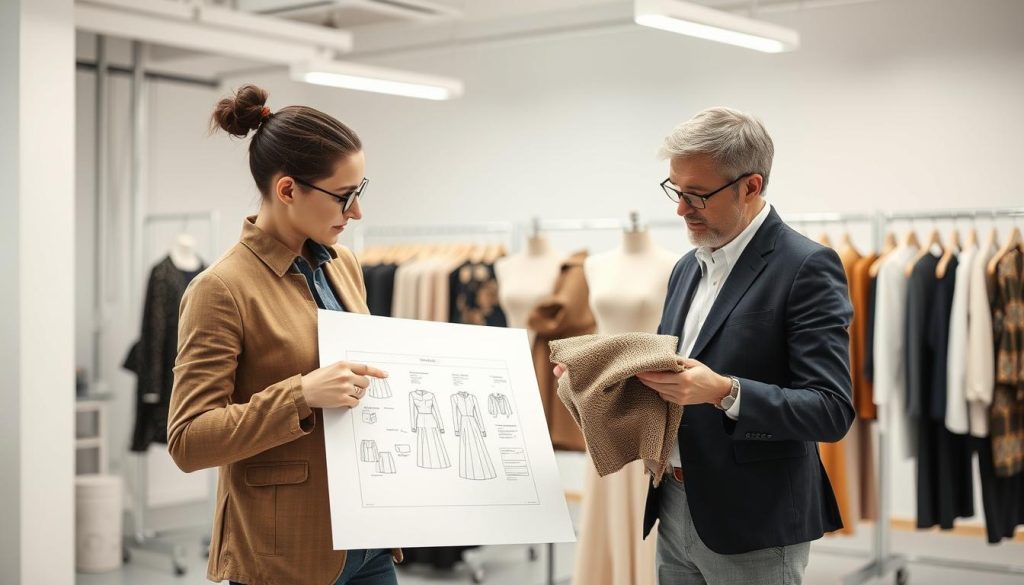
The Importance of Selecting Reliable Clothing Manufacturers
Your choice of clothing manufacturer is more than just a vendor decision, it's a strategic partnership that can make or break your fashion brand. Here's why this selection deserves careful consideration:
Quality Control
The quality of your products directly reflects your brand’s values and reputation. Reliable clothing manufacturers maintain consistent quality standards across production runs, ensuring that your customers receive the same excellent product every time. Poor manufacturing quality can lead to high return rates, negative reviews, and permanent damage to your brand image.
Production Capabilities
Different clothing manufacturers specialize in different types of garments, materials, and production techniques. Finding a manufacturer whose capabilities align with your specific product needs is essential for achieving your desired design outcomes and quality standards.
Cost Management
Manufacturing costs significantly impact your product pricing and profit margins. The right manufacturer will offer competitive pricing while maintaining quality standards, helping you balance profitability with product excellence.
Timeline Reliability
Fashion is a time-sensitive industry, with seasonal collections and market trends dictating launch schedules. A reliable manufacturer will meet agreed-upon deadlines, allowing you to plan your marketing, sales, and distribution activities with confidence.
- Easier communication and fewer language barriers
- Shorter lead times and faster shipping
- Greater oversight and quality control opportunities
- Simplified logistics and reduced shipping costs
- “Made in USA” (or local country) marketing appeal
- Better intellectual property protection
- Easier compliance with local labor and environmental laws
- Significantly higher production costs
- Limited production capacity for large orders
- Fewer specialized manufacturing options
- Higher minimum order quantities in some cases
- Limited access to certain materials and techniques
- Smaller selection of manufacturers to choose from
- Lower production costs and labor rates
- Greater selection of specialized manufacturers
- Access to unique materials and craftsmanship
- Higher production capacity for large orders
- Often lower minimum order quantities
- Competitive pricing for better profit margins
- Communication difficulties and language barriers
- Longer lead times and shipping delays
- More complex quality control processes
- Higher shipping costs and import duties
- Potential ethical and compliance concerns
- Intellectual property protection risks
- Cultural differences in business practices
Making the Right Choice for Your Brand
The decision between domestic and international clothing manufacturers should align with your brand values, budget constraints, and production requirements. Consider these factors when making your choice:
| Factor | Domestic Manufacturing | International Manufacturing |
| Price Point | Better for premium/luxury brands | Better for competitive pricing |
| Production Volume | Ideal for small to medium runs | Ideal for large production runs |
| Time Sensitivity | Faster turnaround times | Requires longer lead times |
| Brand Positioning | Local production as selling point | Cost efficiency as advantage |
| Product Complexity | Better for complex, high-end items | Better for standardized products |
Pro Tip: Many successful fashion brands use a hybrid approach, manufacturing complex or time-sensitive items domestically while producing staple items internationally to balance quality, cost, and lead times.
7 Key Factors to Evaluate When Choosing Clothing Manufacturers
Finding the right clothing manufacturer requires careful evaluation of several critical factors. These considerations will help you identify partners who can meet your specific production needs while aligning with your brand values and business goals.
1. Minimum Order Quantities (MOQs)
Minimum order quantities represent the smallest number of units a manufacturer will produce in a single production run. This factor is especially important for startups and small brands with limited capital and storage capacity.
What to consider:
- Typical MOQs range from 50-100 pieces for small manufacturers to 500+ for larger factories
- Some manufacturers offer different MOQs for different product types
- Lower MOQs typically come with higher per-unit costs
- Negotiate MOQs by offering to pay a slightly higher price or committing to regular orders
2. Material Sourcing Capabilities
Full Package Production
Some clothing manufacturers offer “full package” services, handling everything from material sourcing to final production. This approach simplifies your process but gives you less control over material selection.
Cut-Make-Trim (CMT)
With CMT manufacturing, you source and provide all materials, and the factory handles only the production. This gives you more control over materials but requires more work on your part.
When evaluating material sourcing, ask potential manufacturers about:
- Their supplier relationships and material quality standards
- Ability to source sustainable or specialized materials
- Sample libraries and material options
- Minimum fabric order requirements
- Material testing and quality assurance processes
3. Production Timelines and Capacity
Understanding a manufacturer’s production capacity and typical timelines helps you plan your collection launches and inventory management. Reliable production schedules are essential for meeting market demands and maintaining customer satisfaction.Lorem ipsum dolor sit amet, consectetur adipiscing elit. Ut elit tellus, luctus nec ullamcorper mattis, pulvinar dapibus leo.
Technical Development (typically 4-6 weeks for new styles)
The apparel development process guides clients from initial concept to a fully production ready garment. Services include design sketching, technical packet creation, material sourcing, prototyping, and final fittings. Each stage is carefully managed to ensure quality, consistency, and a streamlined path to scalable production.
This process can take longer depending on the complexity of the style and amount of custom components and textiles.
Production lead time after approval (typically 4-12 weeks)
The apparel production process begins once the design and sample are approved. It involves sourcing all approved materials, scheduling manufacturing, and overseeing garment assembly across selected facilities. Key steps include cutting, sewing, finishing, labeling, and final quality inspection. Each phase is carefully coordinated to ensure the finished product meets specifications, timelines, and quality standards whether produced domestically or internationally.
Shipping (1-6 weeks)
The shipping process ensures that finished garments are packed, labeled, and delivered according to each client’s distribution needs. After final quality checks, products are prepared for domestic or international shipment, with options for bulk freight, individual fulfillment, or warehouse delivery. Arcus Apparel Group coordinates all logistics to ensure timely, secure, and accurate delivery to the client’s chosen destination.
Key timeline considerations include:
- Sample development time (typically 4-6 weeks)
- Production lead time after approval (typically 4-12 weeks)
- Seasonal capacity limitations (many factories are busier before major retail seasons)
- Rush order capabilities and associated costs
- Shipping and logistics timeframes
4. Certifications and Compliance
Reputable clothing manufacturers maintain various certifications that verify their commitment to quality, ethical practices, and environmental responsibility. These certifications provide assurance that your production partner meets industry standards and regulatory requirements.
Important certifications to look for include:
- BSCI (Business Social Compliance Initiative)
- WRAP (Worldwide Responsible Accredited Production)
ISO 9001 (Quality Management)
- GOTS (Global Organic Textile Standard)
- OEKO-TEX Standard 100
- Bluesign Certified
- ISO 14001 (Environmental Management)
- SA8000 (Social Accountability)
- Fair Trade Certified
- SEDEX (Supplier Ethical Data Exchange)
- FLA (Fair Labor Association)
5. Communication and Responsiveness
Effective communication is the foundation of successful manufacturing partnerships. A manufacturer’s responsiveness, transparency, and ability to understand your requirements will significantly impact your working relationship and product outcomes.
Evaluate communication quality by considering:
- Response time to inquiries (within 24-48 hours is ideal)
- Clarity and thoroughness of information provided
- English proficiency or availability of translators
- Willingness to address concerns and solve problems
- Regular production updates and progress reports
- Communication channels (email, phone, messaging apps, video calls)
"The quality of your manufacturer's communication often predicts the quality of your final product. If they're attentive and responsive during the inquiry phase, they're likely to be equally diligent during production." -Sarah Chen, Fashion Production Consultant
6. Sustainability Practices
As consumers increasingly prioritize sustainable and ethical fashion, your manufacturer’s environmental practices become an important extension of your brand values. Sustainable manufacturing can also reduce long-term costs and regulatory risks
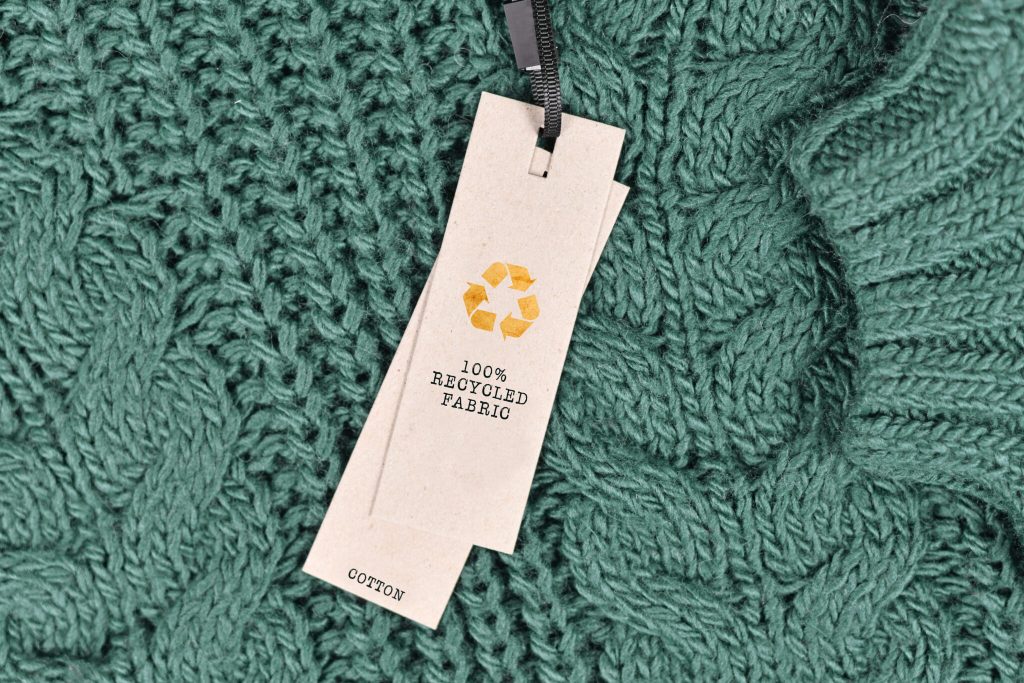
Key sustainability factors to evaluate include:
- Water usage and treatment practices
- Energy efficiency and renewable energy adoption
- Waste management and recycling programs
- Chemical management and use of eco-friendly alternatives
- Carbon footprint reduction initiatives
- Sustainable packaging options
- Worker welfare and community impact
7. Payment Terms and Financial Stability
Understanding a manufacturer’s payment requirements and assessing their financial stability helps protect your investment and ensures smooth production processes. Standard payment structures vary widely across the industry.
Typical payment terms include:
- 30-50% deposit before production begins
- Remaining balance before shipping or upon delivery
- Net 30/60/90 terms for established relationships
- Letter of Credit (LC) for international transactions
To evaluate financial stability, consider:
- Years in business (5+ years indicates stability)
- Factory ownership (owned vs. rented facilities)
- Client portfolio diversity
- References from current customers
- Business registration and legal documentation
Red Flags to Avoid When Vetting Clothing Manufacturers
Identifying warning signs early in the manufacturer selection process can save you from costly mistakes and production nightmares. Watch for these red flags when evaluating potential clothing manufacturers.
Communication Red Flags
- Slow or inconsistent responses to inquiries
- Vague answers to specific questions
- Unwillingness to provide references
- Poor English with no translation support
- Reluctance to sign NDAs or contracts
Business Practice Red Flags
- Demanding full payment upfront for production
- No physical address or only a P.O. box
- Unusually low prices compared to market rates
- No website or very unprofessional online presence
- Inability to provide business registration
Production Red Flags
- Reluctance to provide samples
- Poor quality samples with excuses
- Inability to meet basic quality standards
- Refusal to allow factory visits
- No quality control processes in place
Due Diligence Checklist
Protect your business by conducting thorough due diligence before committing to a manufacturing partner:
- 1
Request and verify references from current or past clients
- 2
Order samples to evaluate quality and capabilities
- 3
Verify certifications directly with certifying bodies
- 4
Research the company through industry associations and online reviews
- 5
Visit the facility in person or hire a third-party inspector
- 6
Start with a small order before committing to large production runs
- 7
Check business registration and legal standing
"The most expensive sample is the one you never order. Investing in proper vetting and sampling will save you thousands in the long run." — Michael Rodriguez, Apparel Production Manager
Tips for Negotiating Contracts with Clothing Manufacturers
A well-structured contract protects both parties and establishes clear expectations for your manufacturing partnership. Use these strategies to negotiate favorable terms that safeguard your business interests.

Essential Contract Elements
Ensure your manufacturing agreement includes these critical components:
Production Specifications
- Detailed product specifications and technical requirements
- Quality standards and acceptable tolerance ranges
- Reference to approved samples and tech packs
- Material requirements and sourcing responsibilities
Timeline and Delivery
- Production schedule with clear milestones
- Sample approval process and timeline
- Delivery dates and shipping methods
Financial Terms
- Pricing structure and volume discounts
- Payment schedule and accepted methods
- Currency and exchange rate provisions
- Additional costs (samples, shipping, duties)
Legal Protections
- Intellectual property protection
- Confidentiality clauses
- Quality control procedures and rejection rights
- Dispute resolution process
Negotiation Strategies
Apply these tactics to secure favorable manufacturing terms:
- Start with a comprehensive RFQ (Request for Quote) that clearly outlines your requirements
- Request quotes from multiple manufacturers to establish competitive benchmarks
- Negotiate volume-based pricing tiers even if starting with smaller orders
- Discuss payment terms that protect both parties (e.g., 30% deposit, 70% upon quality inspection)
- Include quality control checkpoints throughout the production process
- Establish clear defect rates and remedies for quality issues
- Negotiate exclusivity clauses if developing unique products or materials
Next Steps: Finding Your Ideal Clothing Manufacturer
Selecting the right clothing manufacturer is a journey that requires research, patience, and careful evaluation. By following a structured approach, you can find a manufacturing partner that aligns with your brand’s needs, values, and growth trajectory.
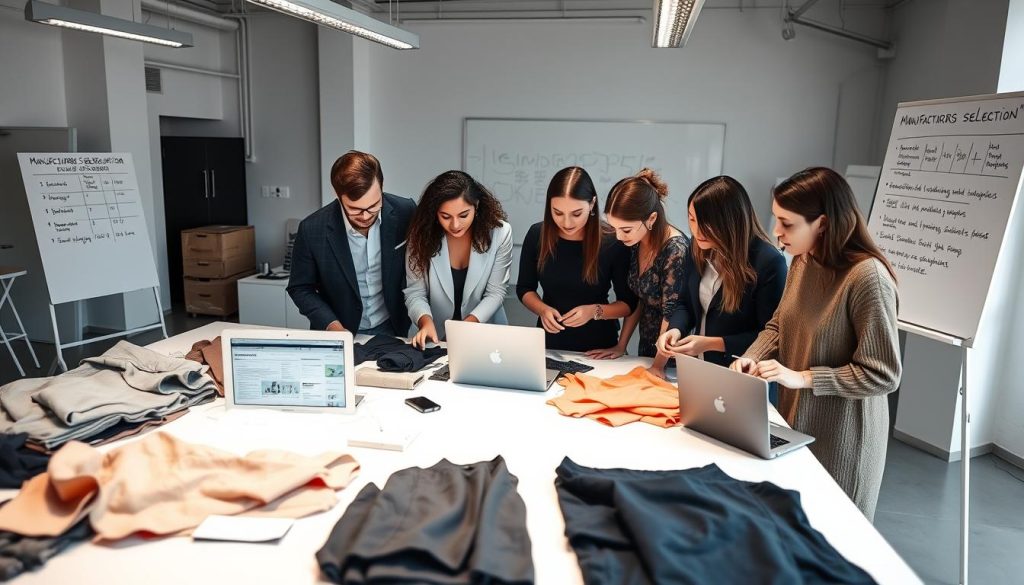
Your Manufacturing Partnership Roadmap
- Define your requirements – Document your product specifications, quality standards, quantity needs, budget constraints, and timeline
- Research potential manufacturers – Use directories, trade shows, and industry connections to create a shortlist
- Evaluate candidates – Apply the 7 key factors discussed in this guide to assess each option
- Request samples – Order samples to evaluate quality and capabilities before committing
- Negotiate terms – Develop clear contracts that protect your interests and establish expectations
- Start small – Begin with a limited production run to test the relationship
- Build the relationship – Invest in communication and mutual understanding for long-term success
Remember that finding the right clothing manufacturer is not just about production capabilities. It’s about establishing a partnership that can grow with your brand. The best manufacturer for your business is one that understands your vision, communicates effectively, delivers consistent quality, and can adapt to your evolving needs.
By taking a methodical approach to manufacturer selection and focusing on building strong relationships, you’ll create a solid foundation for your fashion brand’s production needs now and in the future.
Ready to Find Your Perfect Manufacturing Partner?
Get personalized manufacturer recommendations based on your specific product needs, budget, and values.